
Fashion Search Has Changed. Here's What People Searched for in 2025
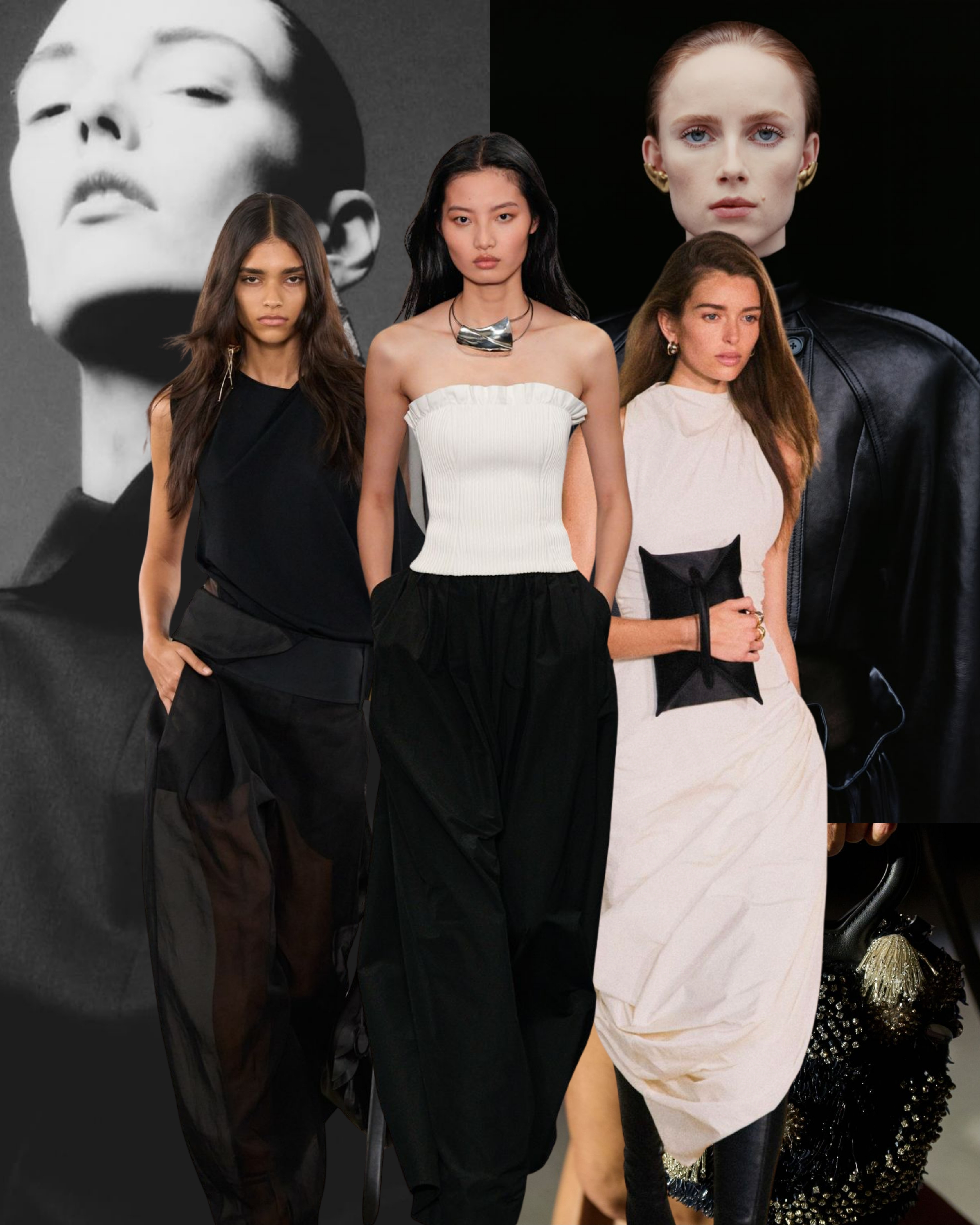
Every year, fashion changes. But for the first time at scale, we can see how people actually talk about fashion when they're searching, not how platforms have forced them into filters and categories. Looking at Plush search data from 2024 compared to 2025, one thing is clear: shoppers aren't just looking for specific products anymore. They are seeking context, guidance, and reassurance. This isn't trend forecasting in the runway sense. It's language intelligence–the raw, unfiltered vocabulary of modern shopping. Below are the most meaningful shifts we're seeing and what they reveal about where fashion discovery is headed.
1. "Help" Is A Fashion Keyword Now
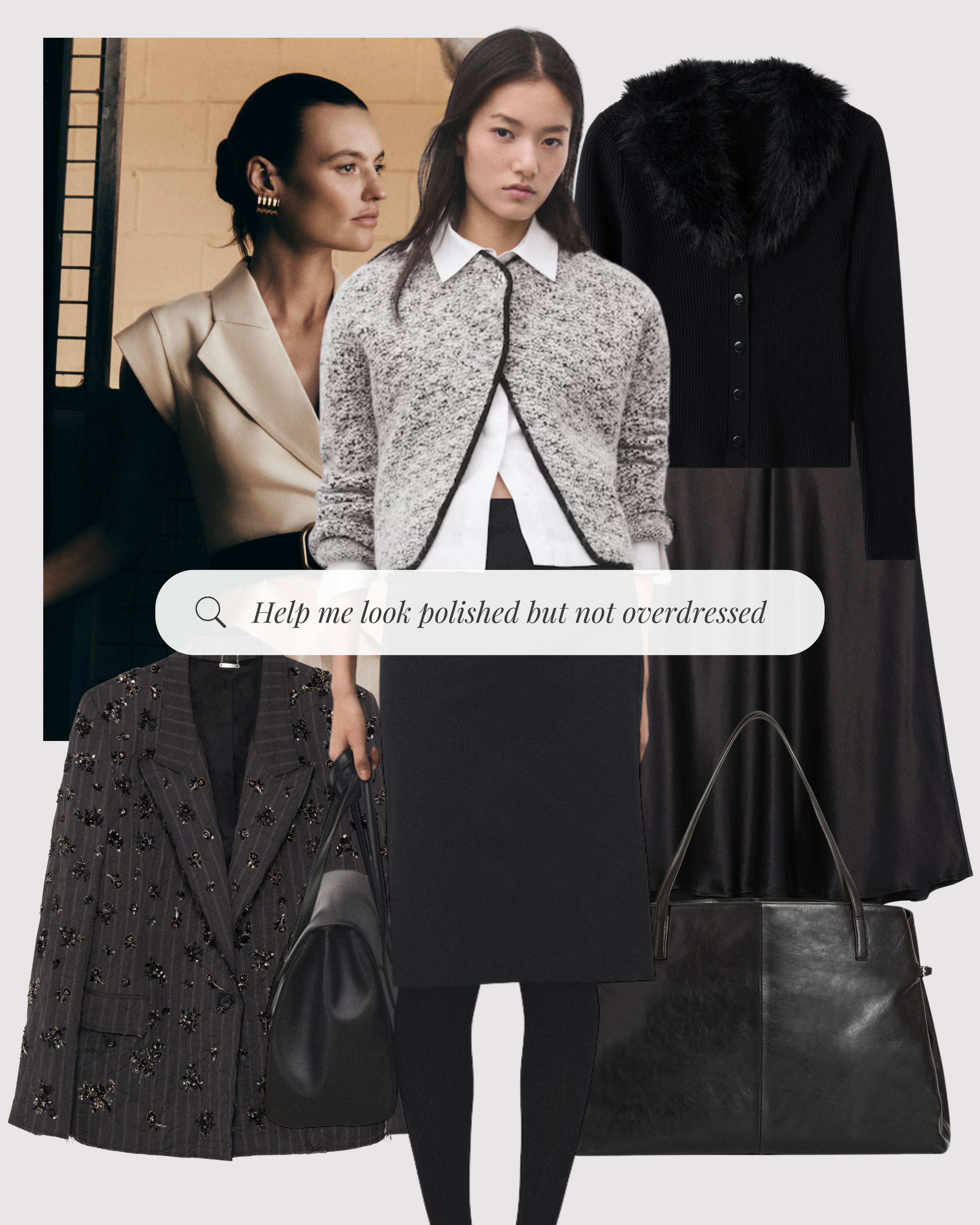
One of the most striking shifts we saw from 2024 to 2025 is the explosion in searches containing the word "help" increased more than +5,000%. That is not a sizing issue, it is a signal that shoppers are asking for reassurance and proof that shopping has become conversational. People are overwhelmed by choice, constant trend cycles and the pressure to "get it right." They are turning to search as a form of of conversation:
- help me find something appropriate
- help me look polished but not overdressed
- help me understand what works for me
This is where traditional e-commerce breaks down. Filters can't respond to uncertainty, but language can.
2. The Rise of Constraint-Based Shopping
Across the data, one pattern repeats again and again: people are shopping by constraint, not aspiration. They're adding qualifiers like "but not," "not too," "avoid," and "without." Examples include:
- revealing but not too revealing
- polished but not corporate
- silky but not sleepwear
This is one the most important behavioral shifts we're seeing. It reflects a more self-aware, intentional shopper, someone who knows that they don't want as clearly as they do.
3. "Wedding Guest" Is a Category and a Stressful One
Few phrases reveal anxiety like "wedding guest." Its growth year over year is significant for good reason. We saw wedding guest queries often combine situational pressure including:
- body considerations
- fabric preferences
- formality boundaries
- what not to wear
Examples appearing more frequently:
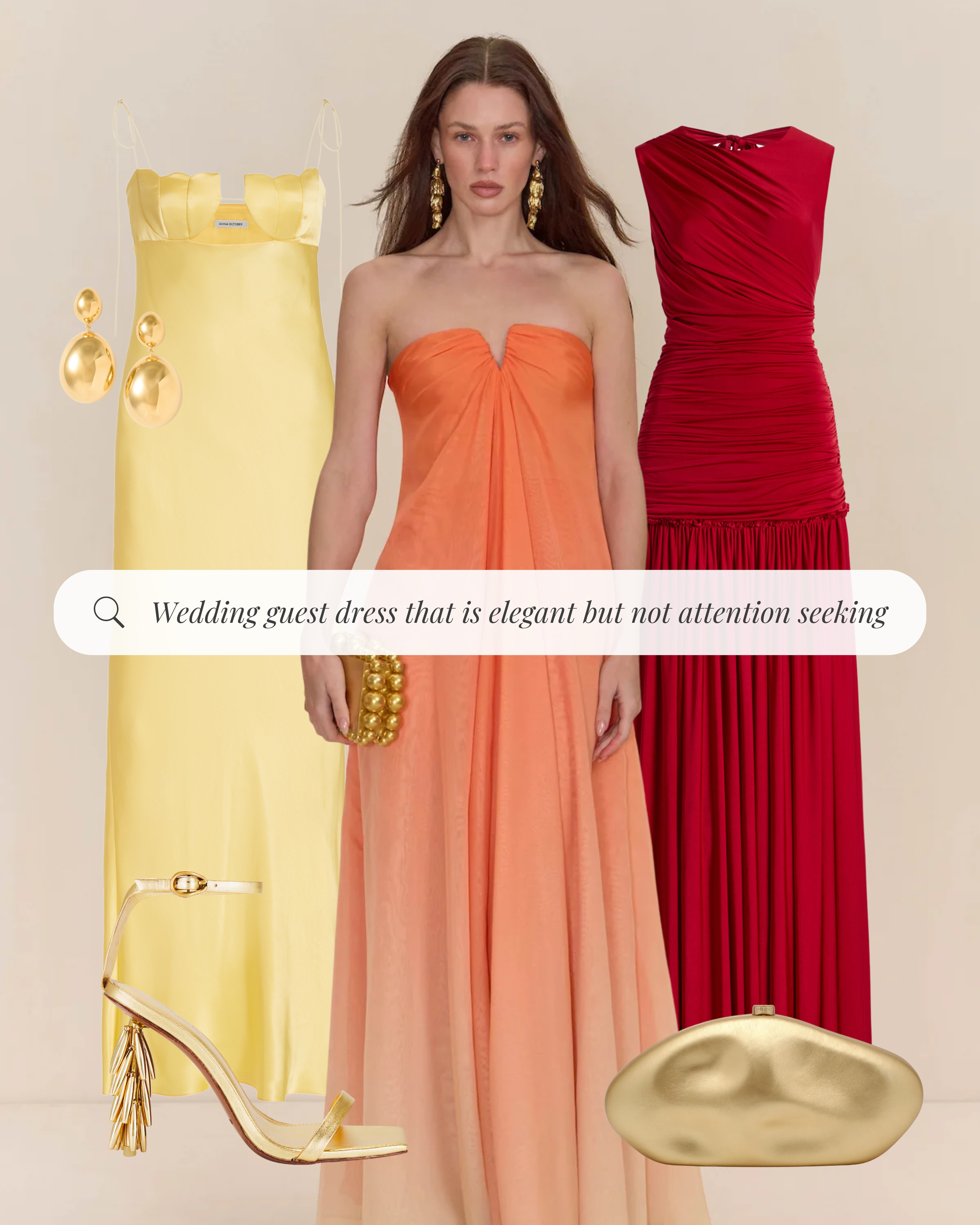
- formal wedding guest dress but not super silky
- wedding guest dress that defines the waist
- elegant but not attention seeking
Dressing for a wedding isn't about trend, it's about social navigation.
4. Shopping is Becoming Situational, Not Seasonal
In 2025, "summer" rarely appears as a simple category (e.g., summer dresses). Instead, it functions as a mood descriptor, shorthand for how someone wants to feel and be perceived: light, airy, playful, vacation-ready. People searched for:
- summer dresses but not too casual
- holiday party dress in a summery location
- summer vacation outfits, fun and modest
- long sleeve but summery and flowy (going to Italy)
These aren't seasonal requests, they are attempts to resolve modern styling tensions like comfort vs. polish, modesty vs. fun, practicality vs. romance, combining travel and social context. "Summer" has become a way to ask for lightness, even when the event itself isn't technically in summer. This helps explain why broad seasonal edits convert less than they used to. Shoppers aren't looking for "summer." They're looking for a very specific version of summer: the right silhouette, the right level of effort, the right amount of skin, the right vibe and it is all shaped by context.
5. When Shoppers Say "Fit," They're Talking About Style and Aesthetic, Not a Measurement
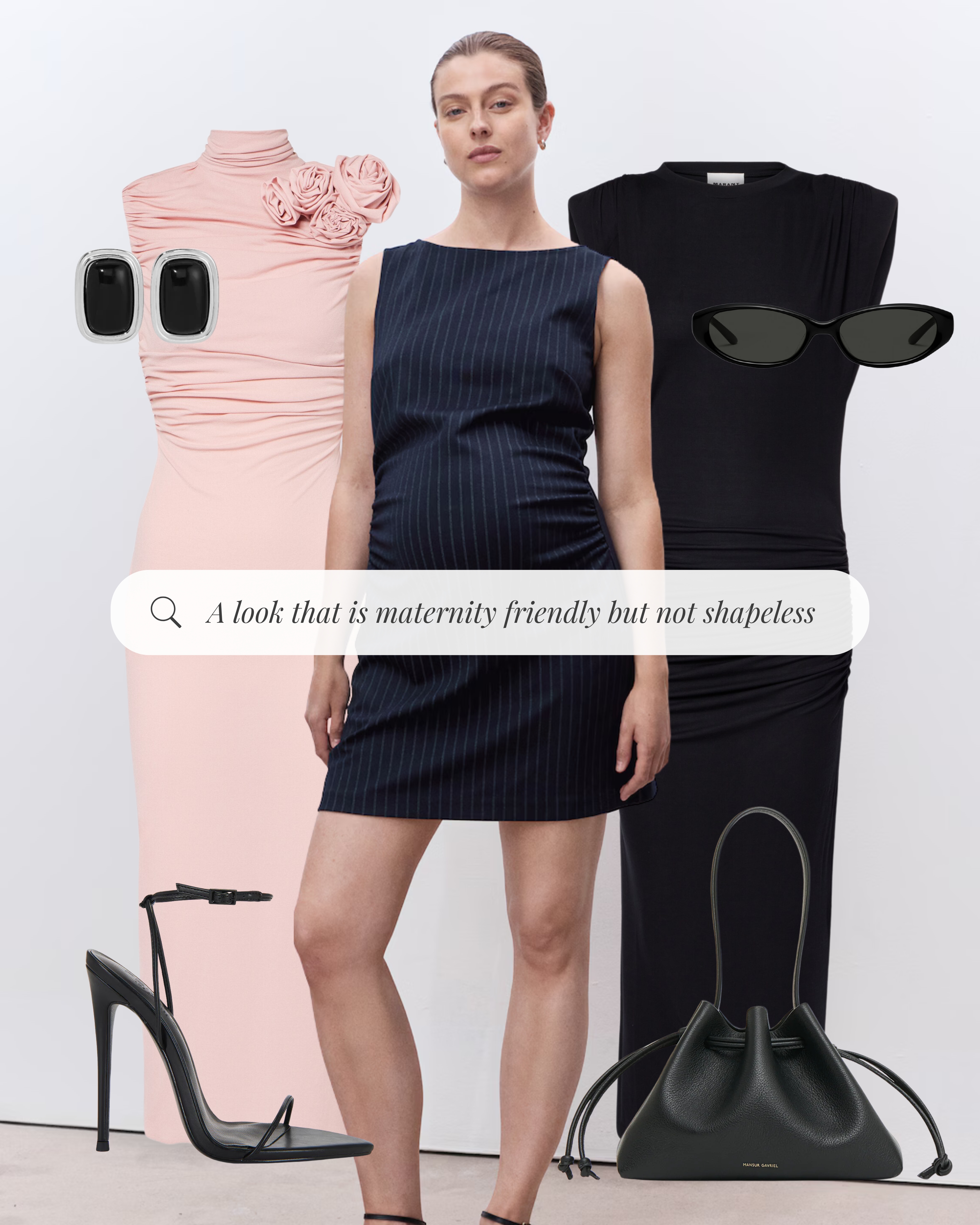
Searches that include "size" have grown nearly +300%, but this isn't about measurements. When shoppers talk about fit today, they're using it as an aesthetic and emotional signal, not a numeric one. Instead of separating how something fits from how it feels, shoppers describe fit in contextual, lived terms, like how a piece shows up on their body and in their life.
- petite but not short-looking
- maternity friendly but not shapeless
- fitted at the waist but still relaxed
- tailored not tight
This shift helps explain why rigid category filters increasingly feel outdated. Fit is contextual, emotional and persona and shoppers are using language to express that.
The Current State of Fashion Discovery
The key takeaway is that people want better interpretation, not more trends. Shoppers are using full sentences, emotional cues, social context and constraints and they expect search to understand them. At Plush, we see this as a strong signal, not a problem. When search understands language, brand discovery improves, results feel more personal and endless scrolling is replaced with confidence and trust. Try searching the way people actually think. Language, not filters, is where fashion discovery is headed.


