
How AI Styles A Blazer Dress, Trench Coats, and Dresses Together (Without Overthinking)
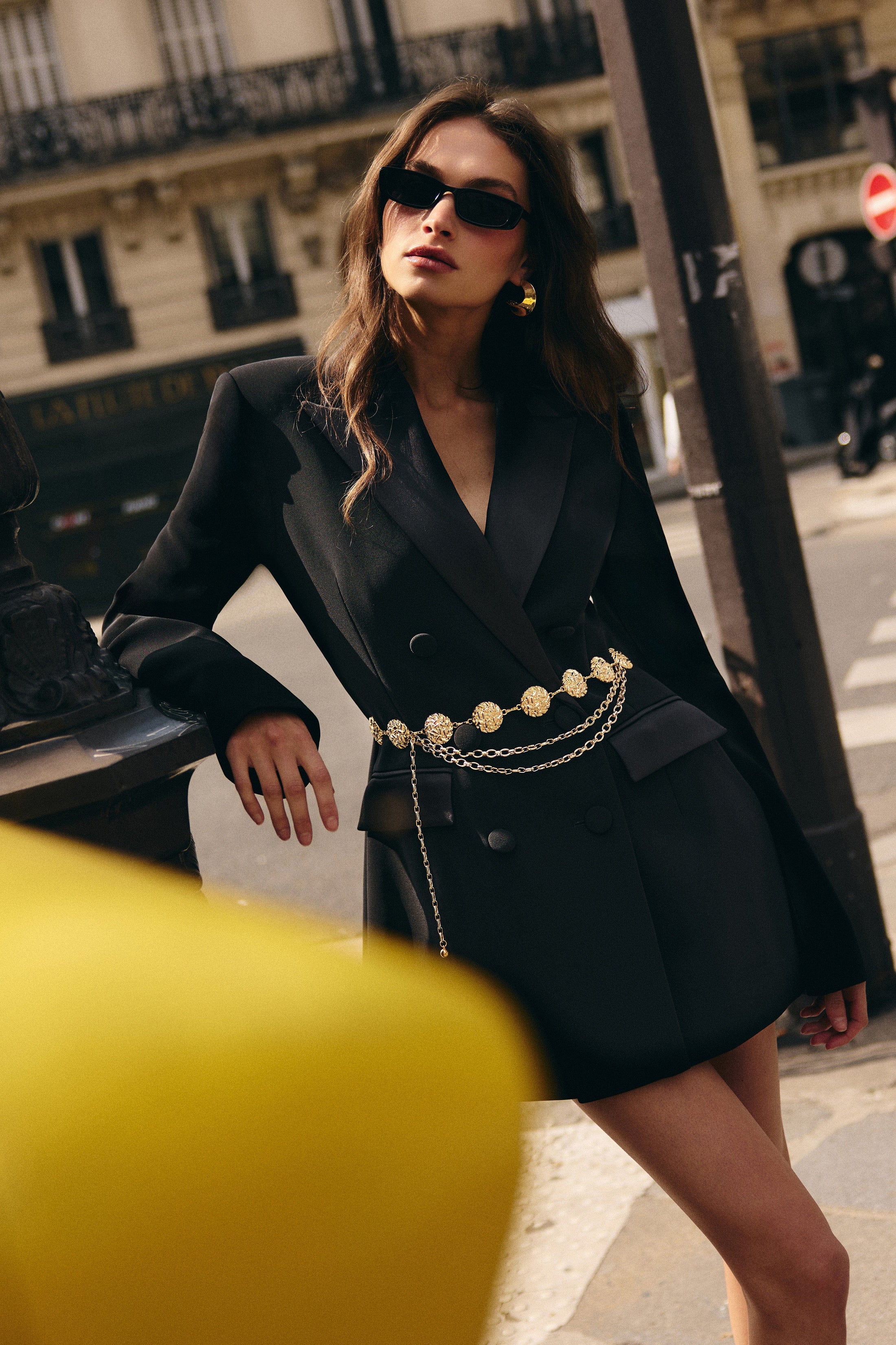
A blazer dress. A trench. Boots or loafers. It should work. Yet this is one of the easiest combinations to get wrong. The shoulders feel too rigid. The trench adds weight. The hemline cuts at the wrong place. Instead of polished, the outfit feels stiff or dated. The pieces are not the issue. The proportions are. In 2026, we don’t lack options. What we lack is clarity. Smart AI styling, including platforms like Plush, narrows decisions by focusing on proportion, context, and wearability. This blog guides you on how to make this combination work every time.
Why This Combo Works and Why It Sometimes Fails
Wearing a blazer and a trench over a dress is a lot of structure at once. Each piece adds visual weight.
- The dress sets the baseline.
- The blazer defines inner structure.
- The trench controls the outer silhouette.
When those three layers align, the outfit feels expensive. When they do not, it feels bulky or stiff. Most common issues:
- Two long layers are dragging the frame down.
- Heavy shoulders under a heavy trench.
- A detailed dress with clean tailoring.
- Shoes are shifting the tone in the wrong direction.
The combination doesn’t fail because you lack the styling knowledge. It is about misalignment.
The 2026 Styling Rule: Start With the Dress Line, Not the Blazer
Most people start with the blazer because it feels powerful. That’s where things start to go off track. The correct way to do it is to look at the line of the dress. Is it:
- Column and minimal?
- Waist-defined and shaped?
- Relaxed tailored?
- Soft and fluid?
Once you decide that, you have the right constraints. And, weird as it may sound, constraints make styling easier. In 2026, women are no longer dressing for a single setting. A single outfit might need to handle a commute, a meeting, and dinner. The dress has to anchor everything. If the base is unclear, the layers will feel confused.
The 7-Move AI Styling Method For Blazers, Trenches, and Dresses
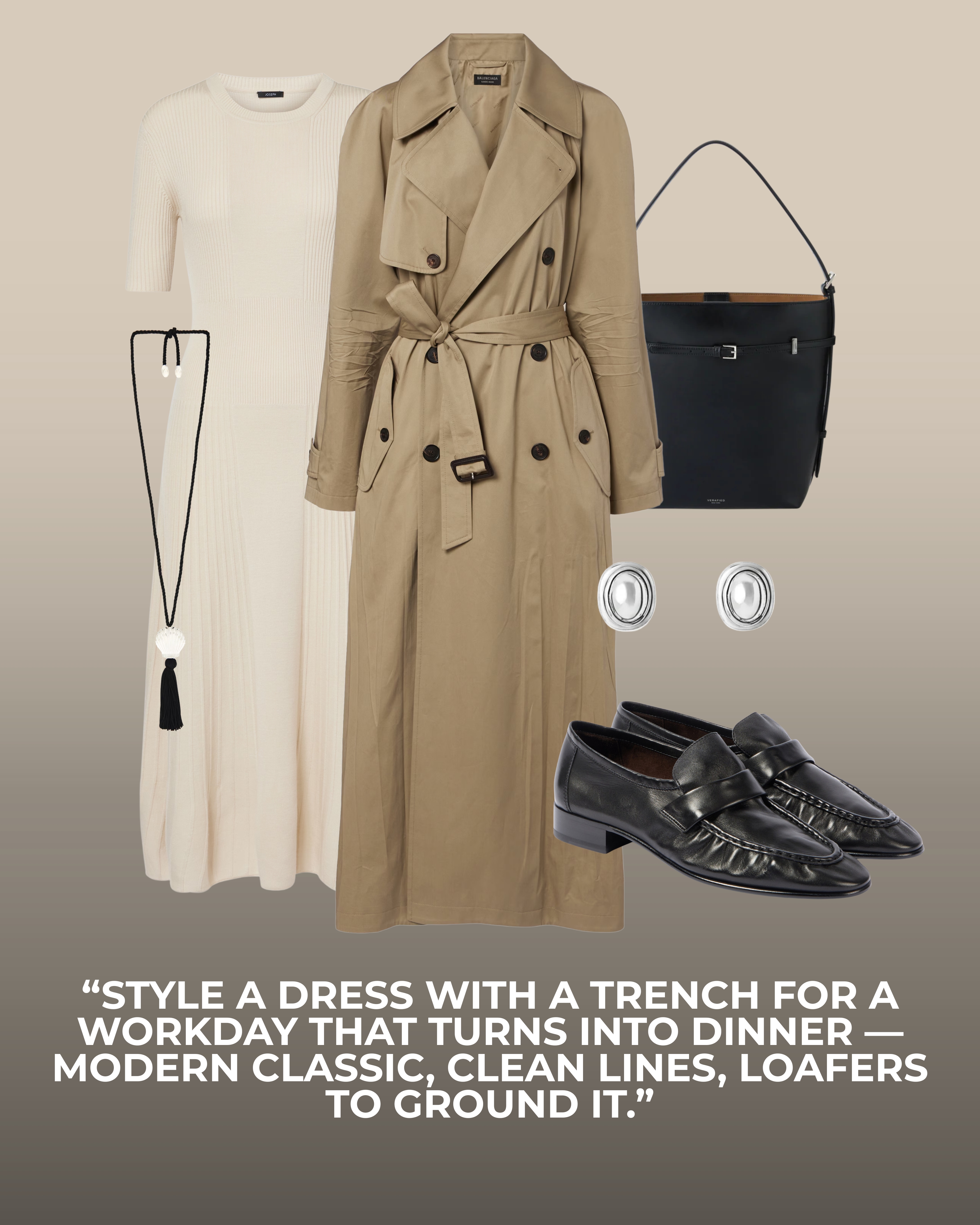
If you tend to second-guess yourself mid-outfit, use this system. Name The Moment When asking AI for styling help, don’t be vague with naming the moment you are dressing for. The more specific you are, the less you overcompensate. Pick the Blazer Dress Lane Use one of these lanes when choosing a blazer:
- Clean and minimal.
- Soft power.
- Modern classic.
- Slight edge.
This choice prevents drift. Lock The Proportion Rule In layering, proportion plays a huge role:
- If the trench is mid-calf, the blazer should not hit at the same line.
- If the dress hem is detailed, avoid cutting it off visually with a competing layer.
- Clear vertical lines read modern. Interrupted lines feel messy.
When the lengths don’t compete, your eye moves smoothly from top to bottom, and the outfit just falls into place. Choose The Outer Layer: Women’s Trench Coat A woman’s trench coat should act as a frame, not a costume. Look for controlled volume. Lapels that frame the face. Fabric that moves without overwhelming. The trench should smooth the silhouette, not inflate it. When browsing structured outerwear on Plush, consider how it behaves when open and closed. That detail matters more than color. Add One Cohesion Signal Keep just one repeated tone between the shoe and the blazer. One consistent metal across hardware. One texture story. You do not need more. Let Shoes Decide The Tone Shoes not only set the tone of your outfit, but also complete it.
- Loafers ground the outfit.
- Boots sharpen it.
- Heels formalize instantly.
If your day involves walking, choose your shoes first. Then build the outfit around it. Practical choices usually look more confident because they actually fit your real day. Refine Once (Then Stop) For better results, refine the prompt only once. Choose refinements like:
- Less hardware.
- Warmer palette.
- Sharper shoulder.
Make just one adjustment and then stop. Over-refining is how outfits lose their clarity.
Outfit Formulas That Always Look Intentional
These are combinations that hold up across long days and shifting plans. The Clean Column and Trench Frame Start with a column dress. Add a streamlined blazer, then a controlled trench. Keep the shoe minimal. The result feels sharp, not stiff. The Blazer Dress As A One-And-Done Base Let the blazer dress do the shaping. Layer a trench over it. Choose a shoe you can actually walk in and a structured bag. The silhouette is already set, so the rest falls into place. The Modern Work Uniform A tailored dress, a slightly relaxed blazer, and a trench on top. Indoors, lose the trench and the outfit still stands on its own. The Transitional Layering Look A light knit dress, a structured blazer, and a weather-ready trench. Practical for days that start cool and end warm. The common thread is proportion. Trends come and go. Balance is what keeps it current.
Blazer Dress Prompt Recipes
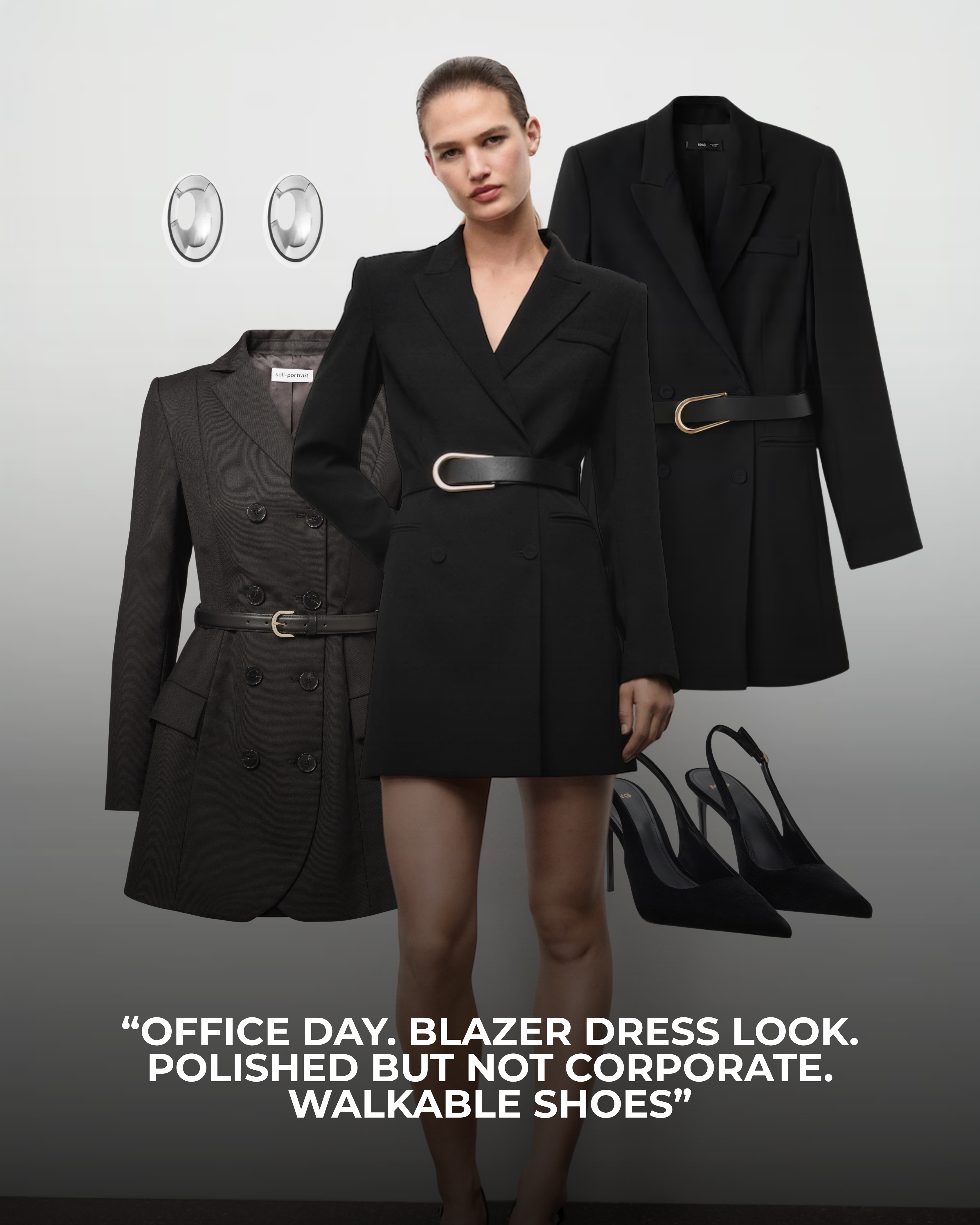
AI performs best when the prompt is specific.
Workday, Soft Power
Prompt: “Office day. Blazer dress look. Polished but not corporate. Walkable shoes” Refine: “More breathable” or “more minimal.”
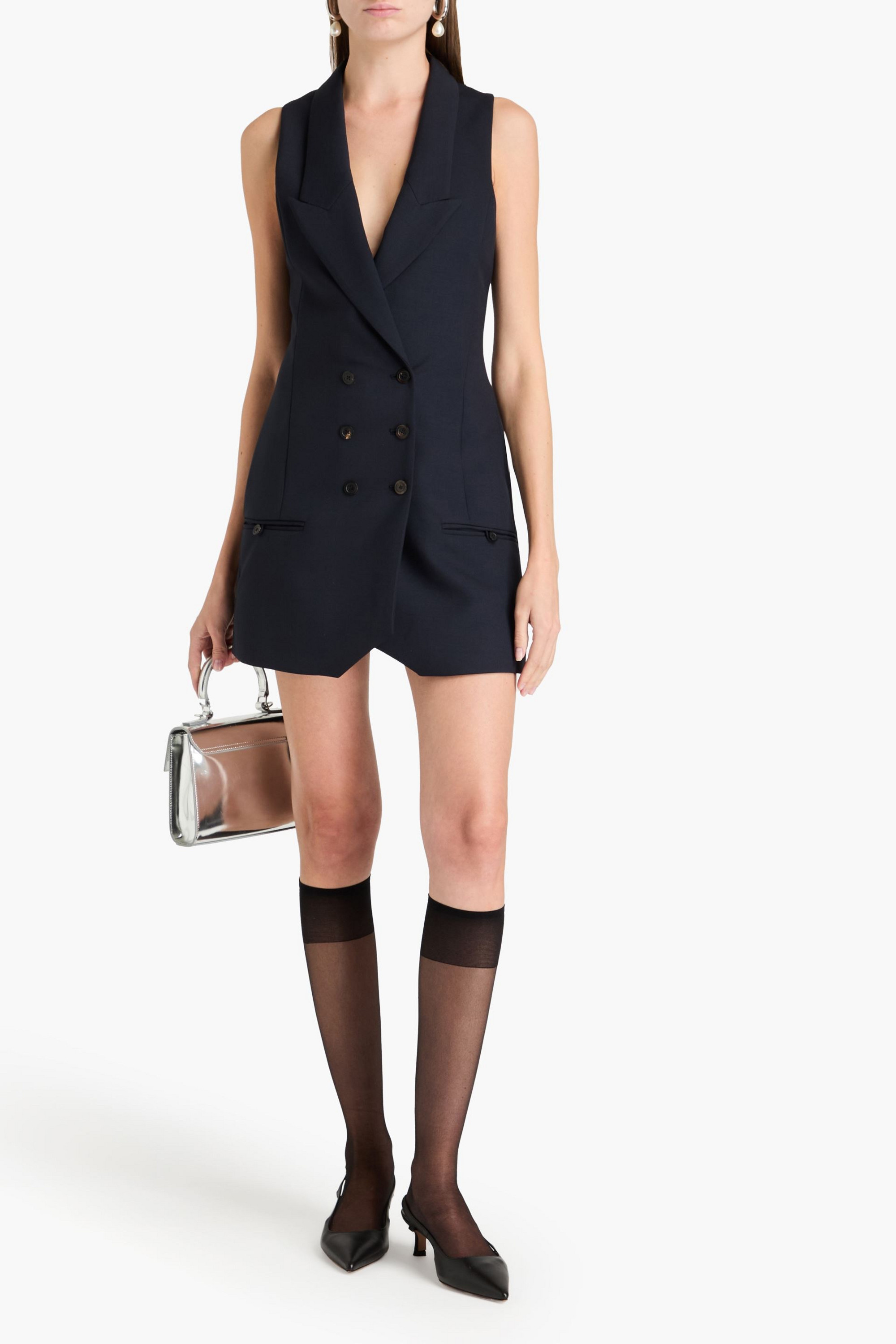

Grain de poudre mini dress
$150
$995
Outnet
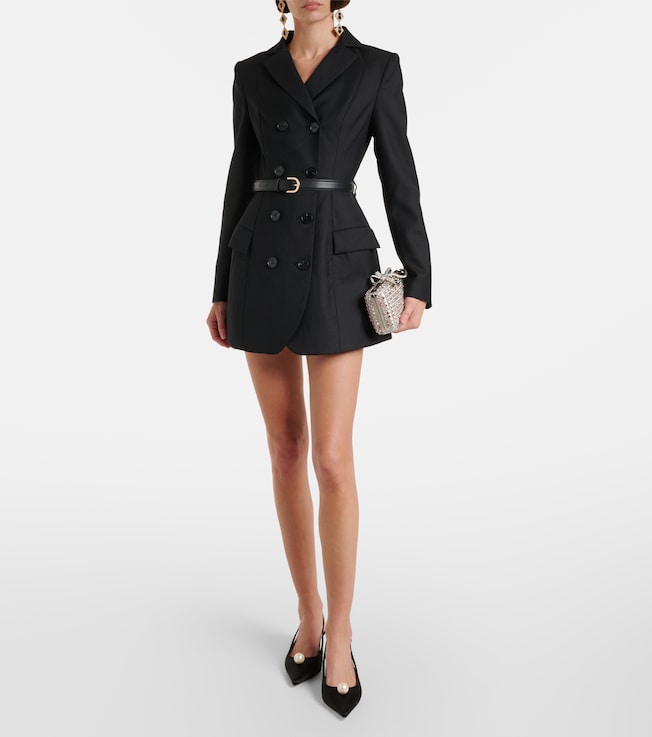
Belted blazer dress
$544
$680
Mytheresa
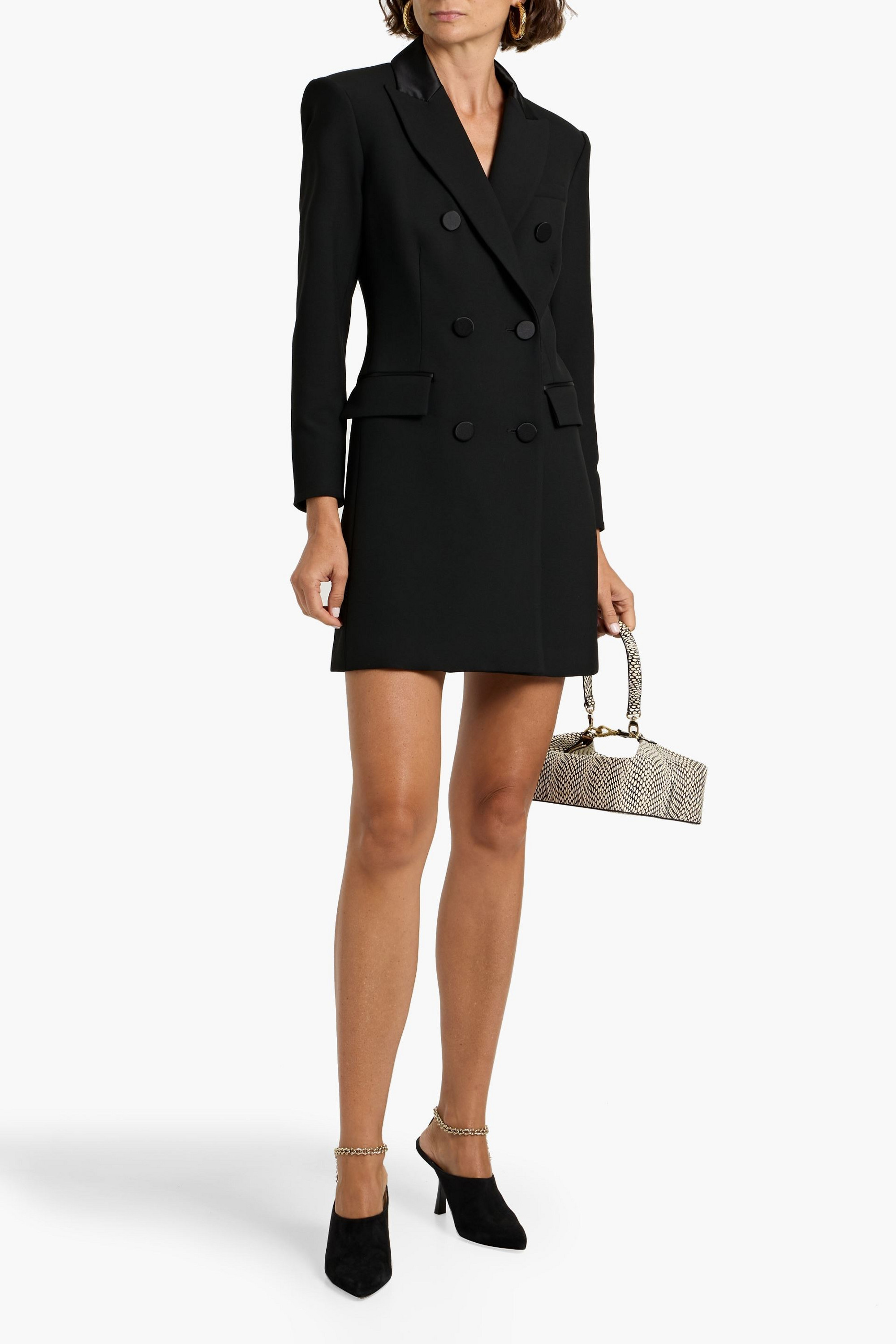
Elianna crepe mini tuxedo dress
$405
$898
Outnet
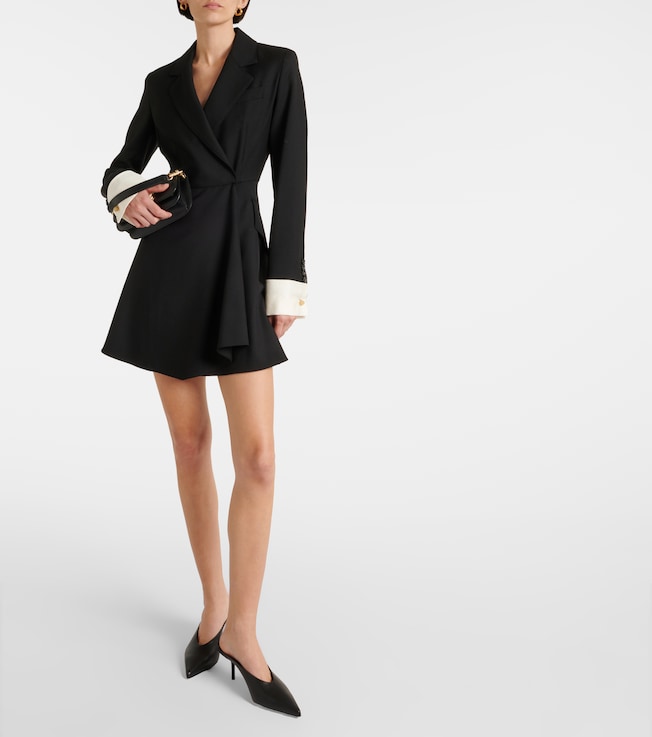
Sella virgin wool shirt dress
$1,288
$1,840
Mytheresa
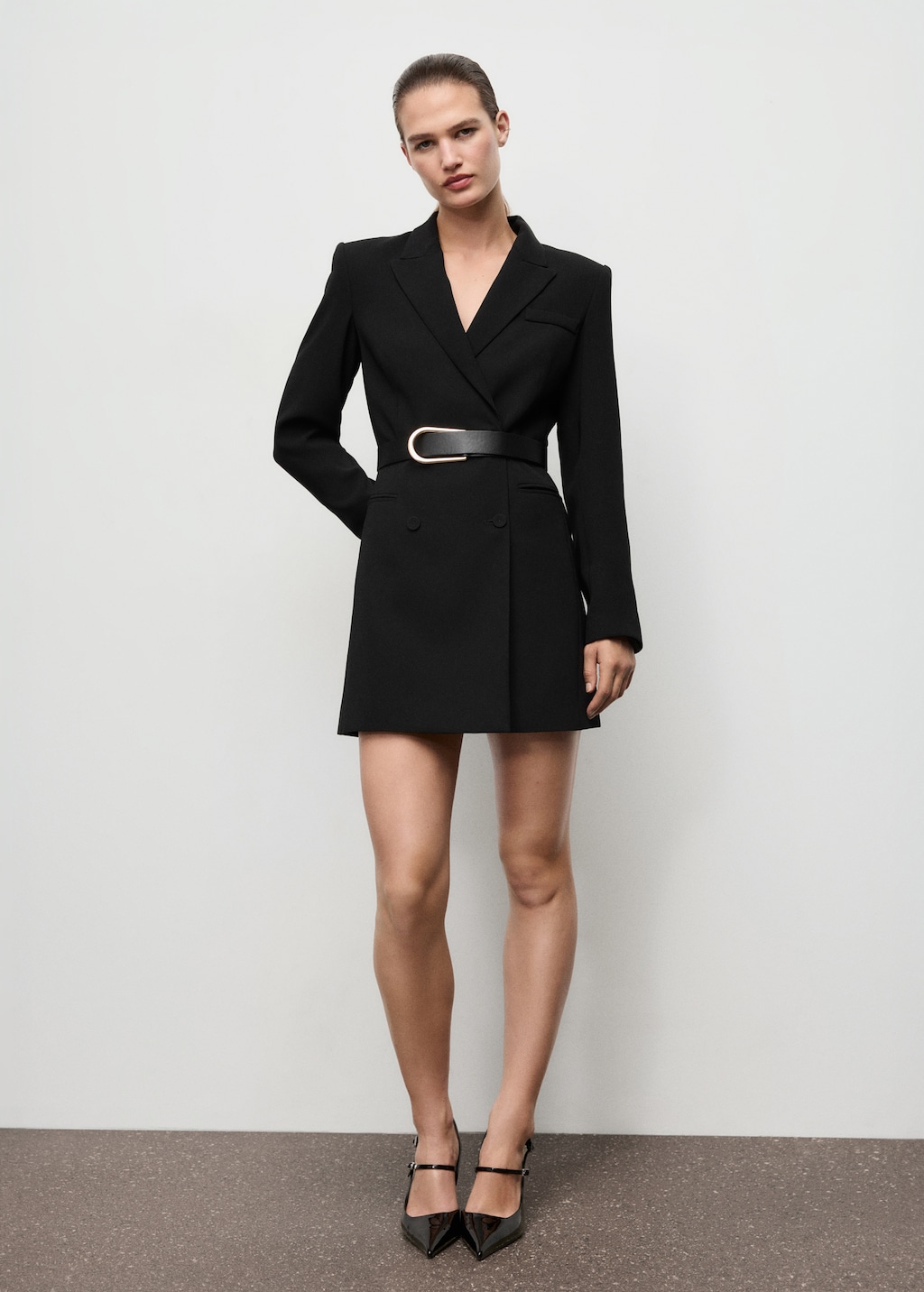
Blazer-style dress with belt
$79.99
$139.99
Mango
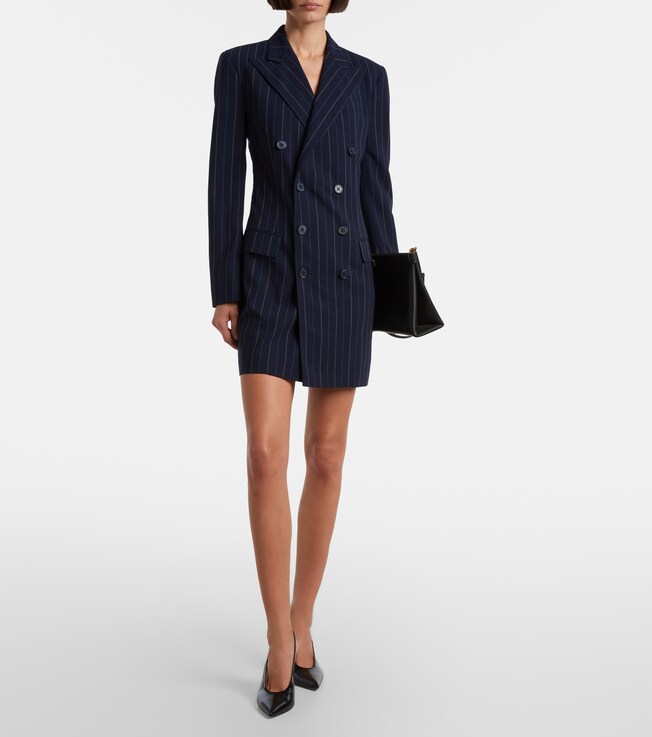
Striped double-breasted wool blazer dress
$1,707
$2,845
Mytheresa

Sally Faux Suede Cinched Blazer - Milk Chocolate
$139
$199
Meshki

Tailored Shirt Dress with Jacket Collar At Hem
$352.6
$1,763
Shopbop

Grain de poudre mini dress
$150
$995
Outnet
Belted blazer dress
$544
$680
Mytheresa
Elianna crepe mini tuxedo dress
$405
$898
Outnet
Sella virgin wool shirt dress
$1,288
$1,840
Mytheresa
Blazer-style dress with belt
$79.99
$139.99
Mango
Striped double-breasted wool blazer dress
$1,707
$2,845
Mytheresa
Sally Faux Suede Cinched Blazer - Milk Chocolate
$139
$199
Meshki
Tailored Shirt Dress with Jacket Collar At Hem
$352.6
$1,763
Shopbop
Client Meeting, Credible, Not Stuffy
Prompt: “client meeting. Blazer dress or tailored dress with blazer and trench. Confident, not overdressed” Refine: “More structured” or “less hardware.”
Belted blazer dress
$544
$680
Mytheresa
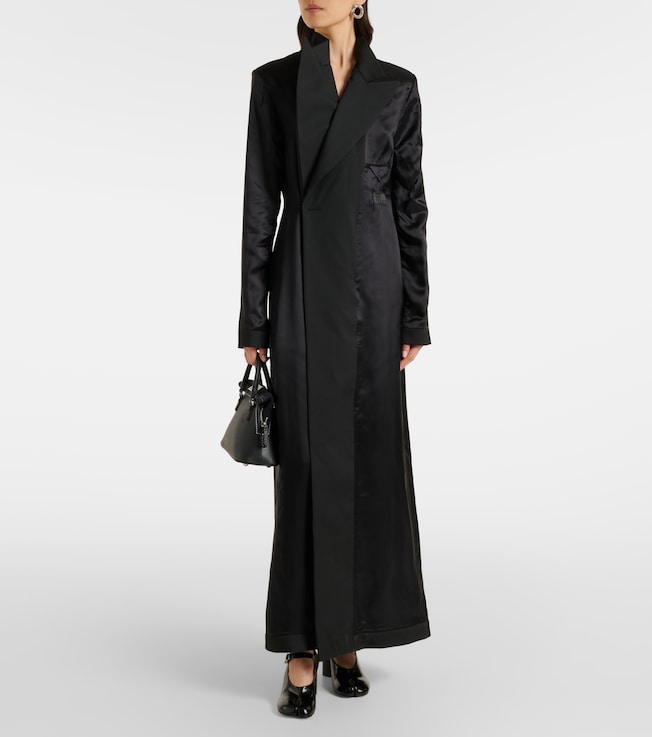
Satin maxi dress
$1,074
$1,535
Mytheresa
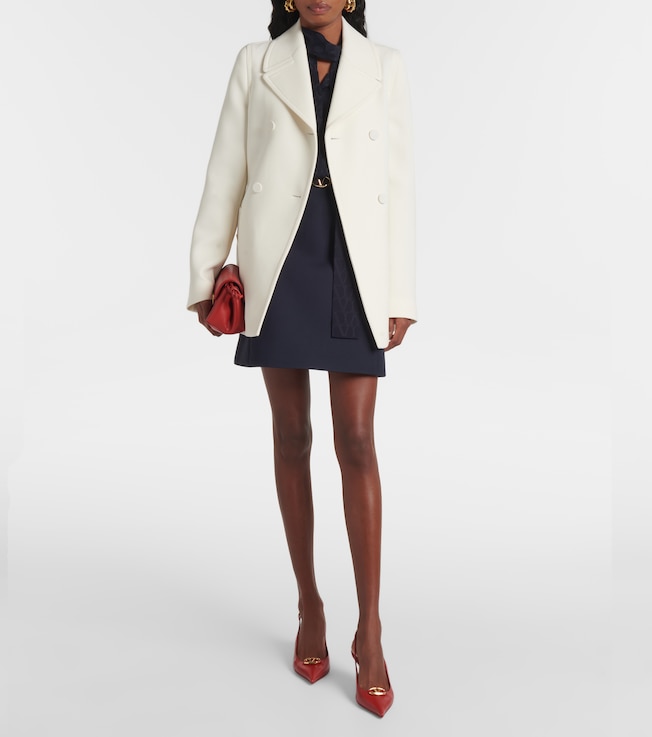
Wool-blend crêpe blazer
$3,150
$4,500
Mytheresa
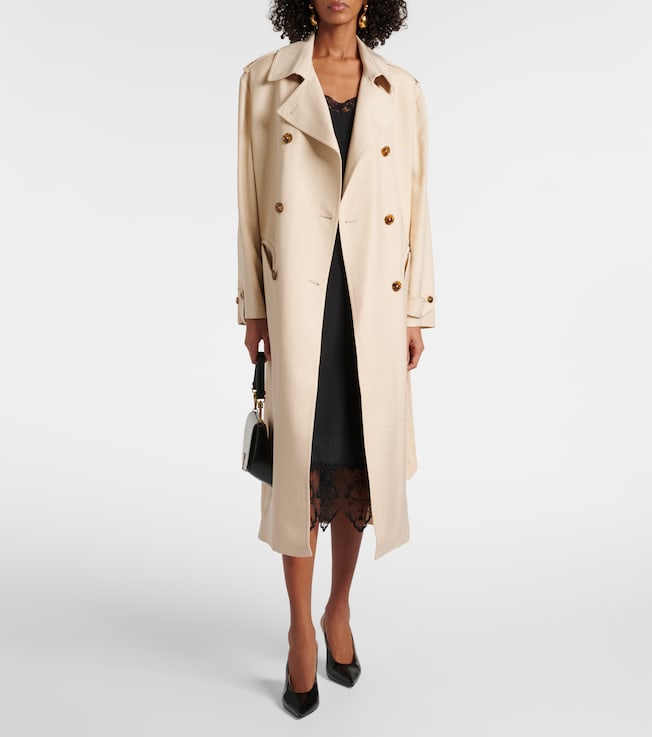
Sheena Aseel coat
$1,522
$2,175
Mytheresa

Caviar Suiting Coat - Black
$115
$229
Meshki
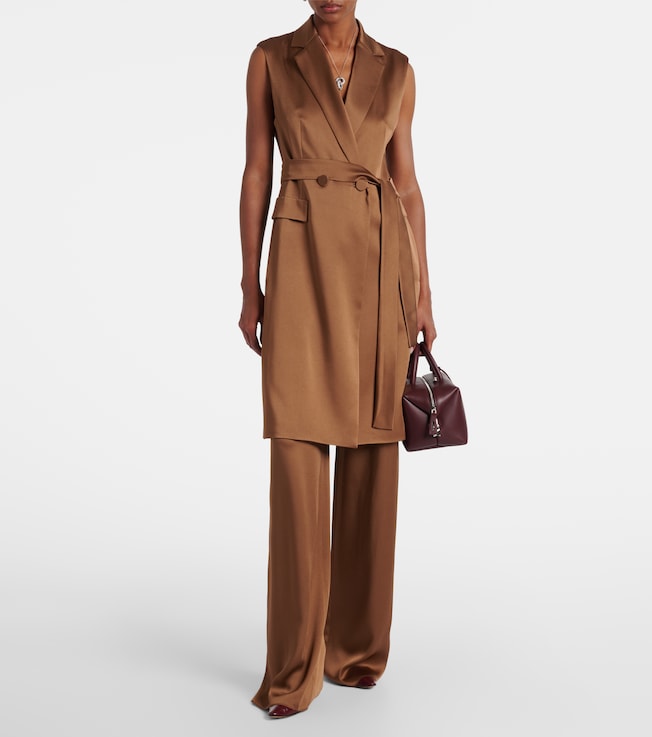
Afgano belted satin jacket
$857
$1,225
Mytheresa
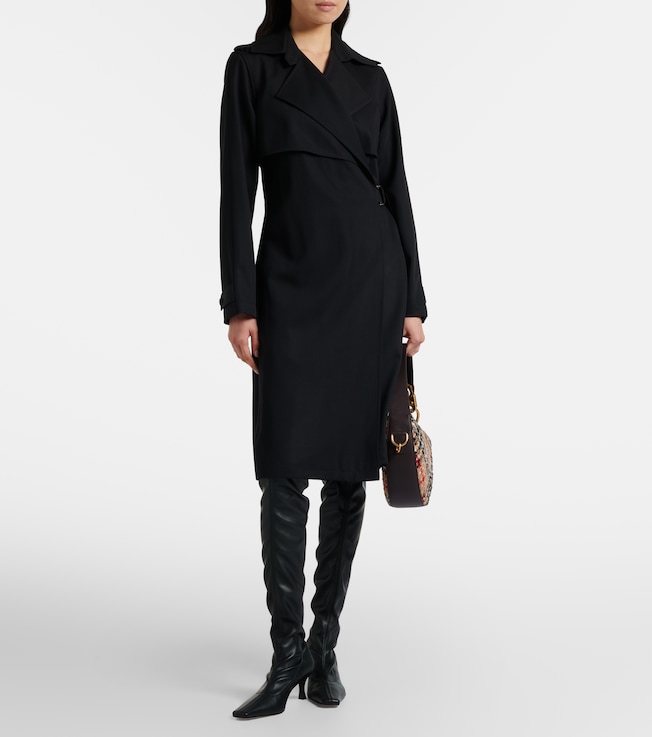
Belted wool wrap dress
$1,256
$1,795
Mytheresa
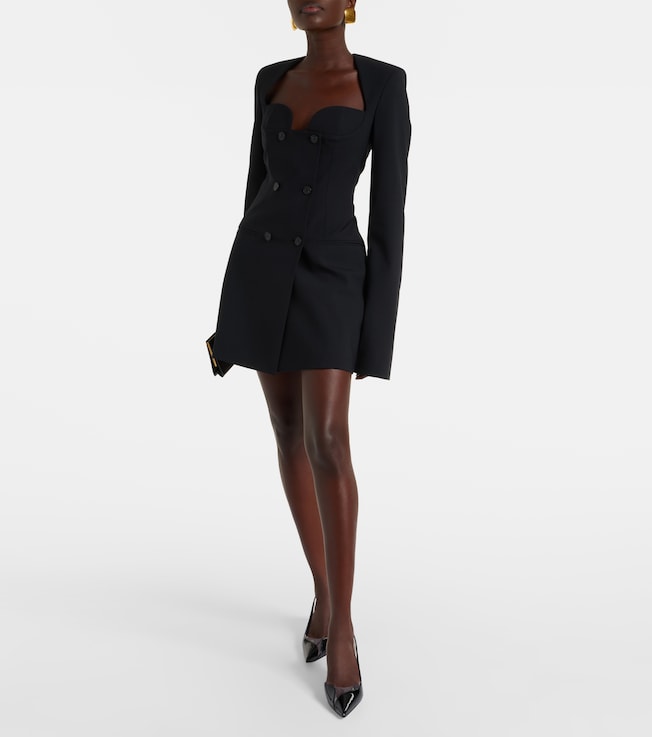
Double-breasted blazer dress
$1,740
$2,175
Mytheresa
Belted blazer dress
$544
$680
Mytheresa
Satin maxi dress
$1,074
$1,535
Mytheresa
Wool-blend crêpe blazer
$3,150
$4,500
Mytheresa
Sheena Aseel coat
$1,522
$2,175
Mytheresa
Caviar Suiting Coat - Black
$115
$229
Meshki
Afgano belted satin jacket
$857
$1,225
Mytheresa
Belted wool wrap dress
$1,256
$1,795
Mytheresa
Double-breasted blazer dress
$1,740
$2,175
Mytheresa
Transitional Weather Layering
Prompt: “Temperature swings. Dress with a blazer and trench. Comfortable for walking” Refine: “Lighter layers” or “warmer palette.”
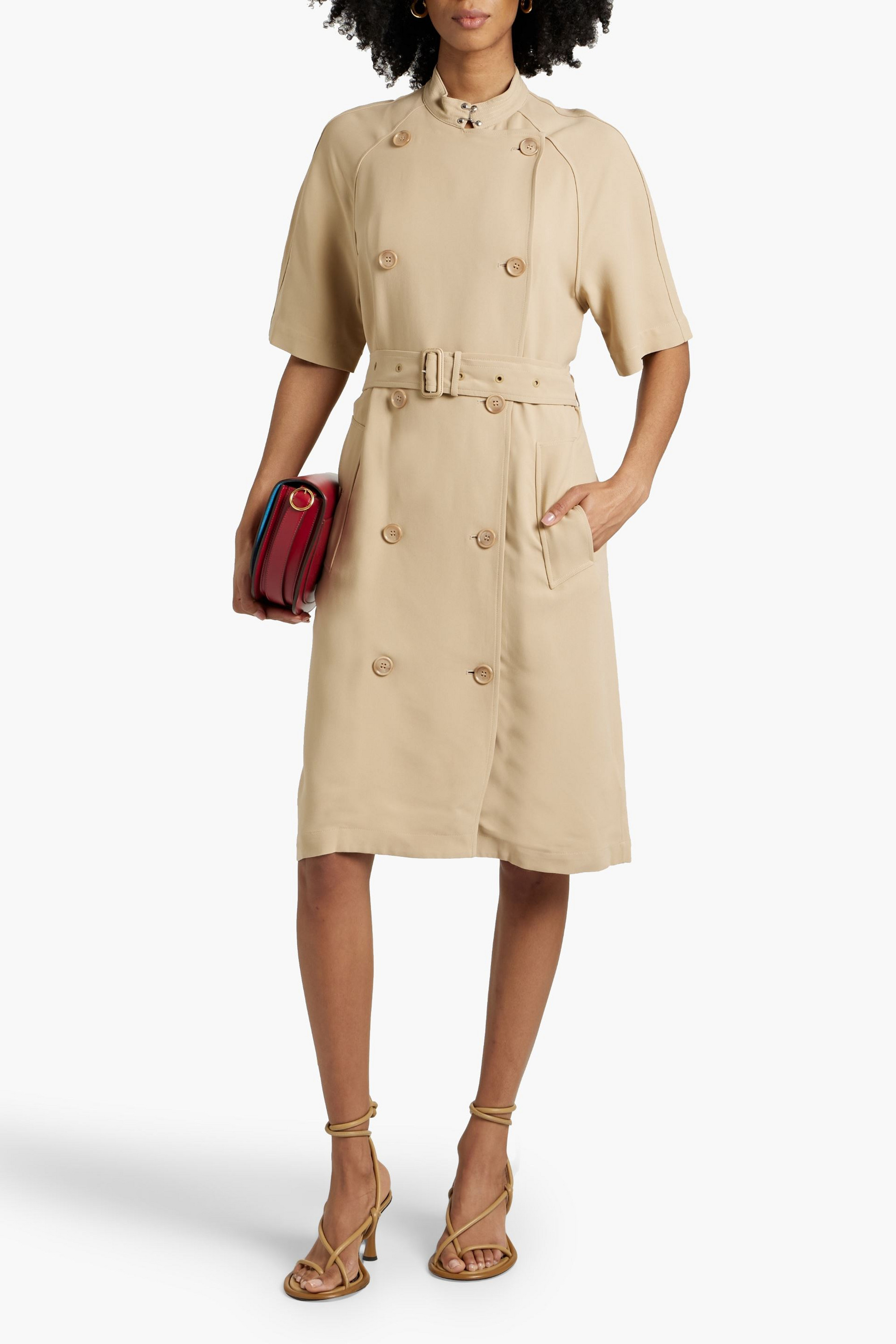
Double-breasted belted crepe midi dress
$741
$2,115
Outnet
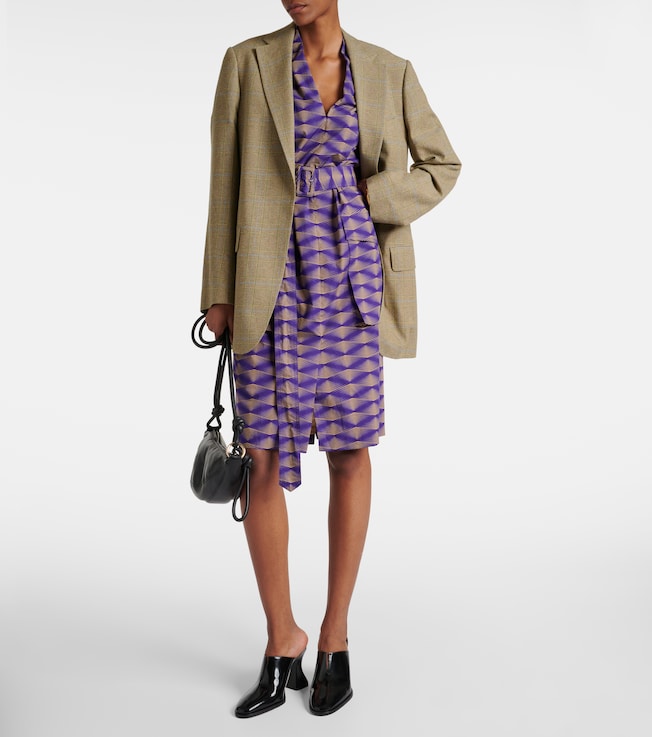
Printed cotton poplin minidress
$1,018
$1,455
Mytheresa
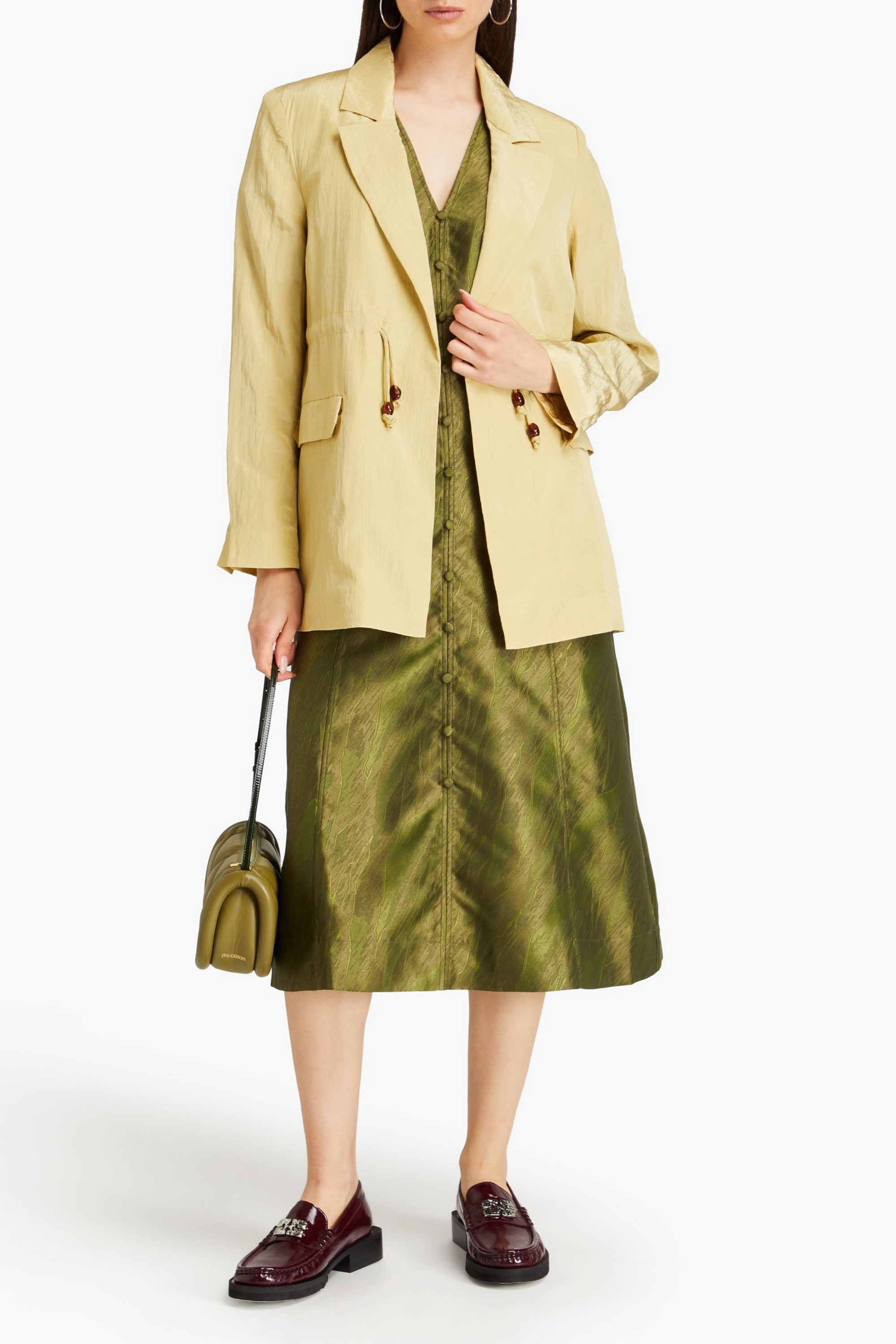
Bead-embellished crinkled shell blazer
$95
$475
Outnet
Sheena Aseel coat
$1,522
$2,175
Mytheresa
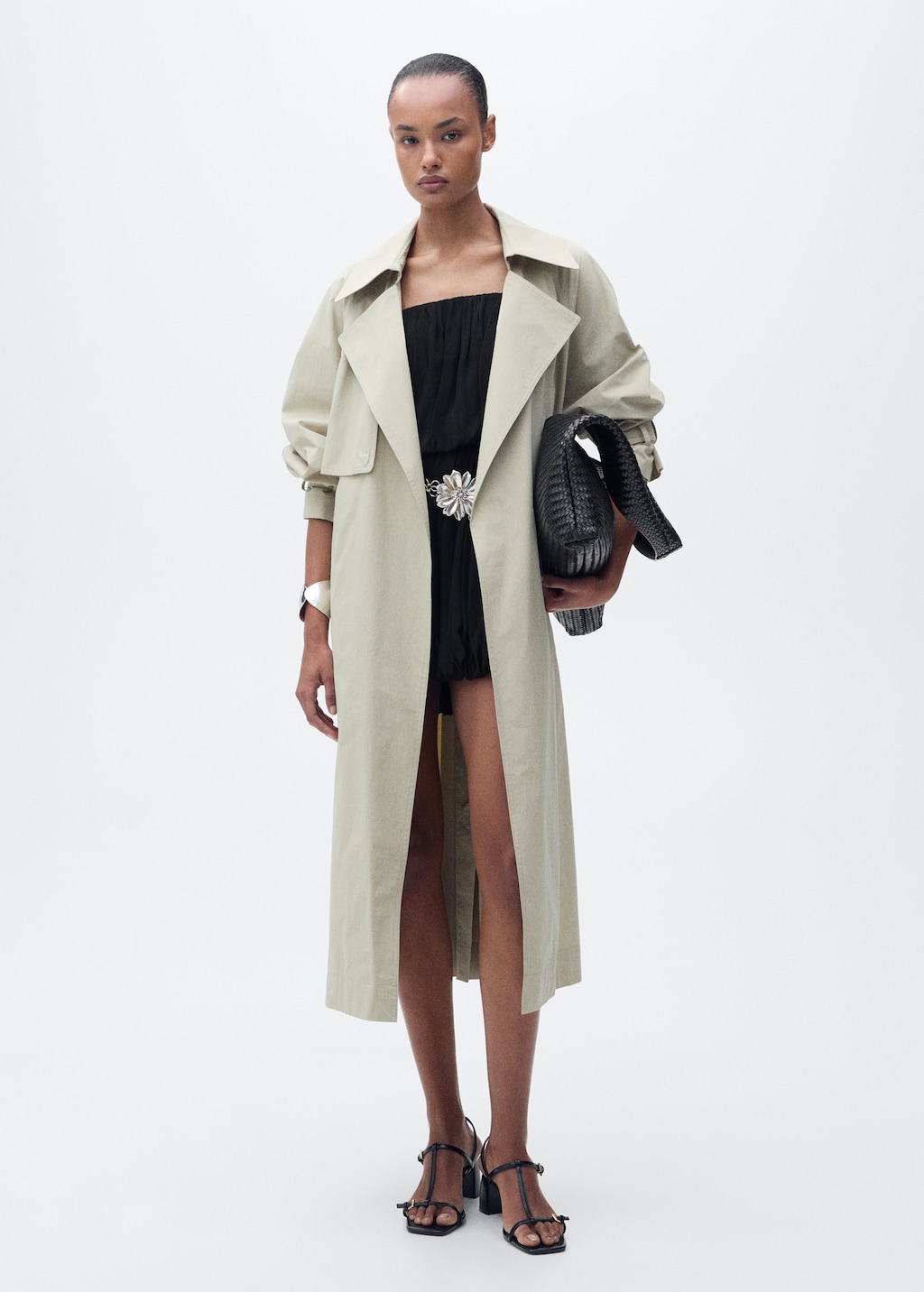
Gathered balloon dress
$99.99
$149.99
Mango
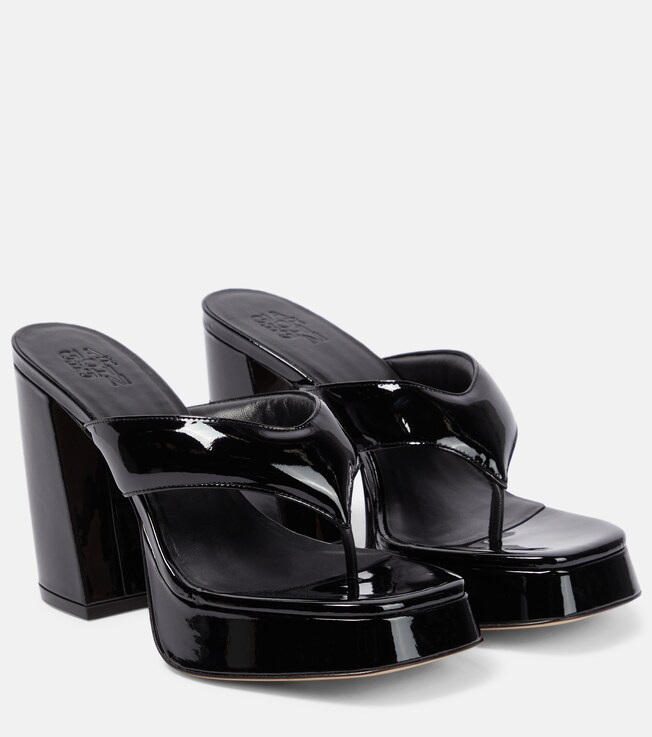
Gia 17 patent leather platform thong sandals
$209
$419
Mytheresa
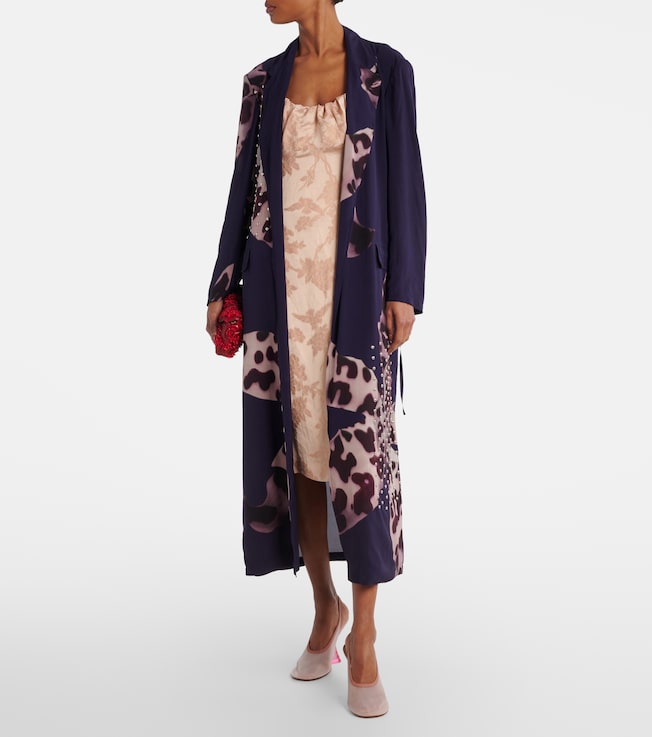
Printed embellished wrap dress
$1,536
$2,195
Mytheresa
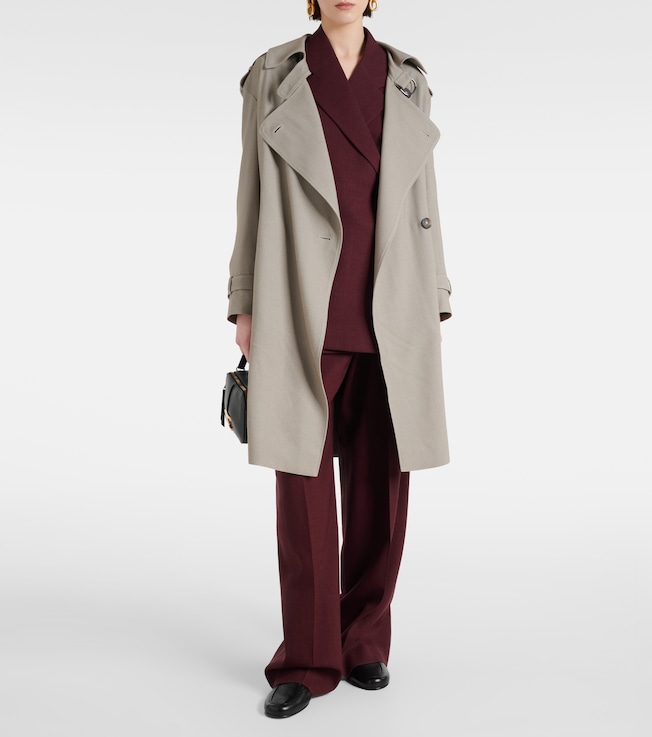
Belted trench coat
$2,055
$3,425
Mytheresa
Double-breasted belted crepe midi dress
$741
$2,115
Outnet
Printed cotton poplin minidress
$1,018
$1,455
Mytheresa
Bead-embellished crinkled shell blazer
$95
$475
Outnet
Sheena Aseel coat
$1,522
$2,175
Mytheresa
Gathered balloon dress
$99.99
$149.99
Mango
Gia 17 patent leather platform thong sandals
$209
$419
Mytheresa
Printed embellished wrap dress
$1,536
$2,195
Mytheresa
Belted trench coat
$2,055
$3,425
Mytheresa
Dinner, Sharper Edge
Prompt: “Dinner. Blazer dress with trench. Sleek, modern, and not too formal” Refine: “Cleaner lines” or “more dramatic.”

Theory Wool-Blend Crepe Jacket
$97
$275
Outnet
Sella virgin wool shirt dress
$1,288
$1,840
Mytheresa
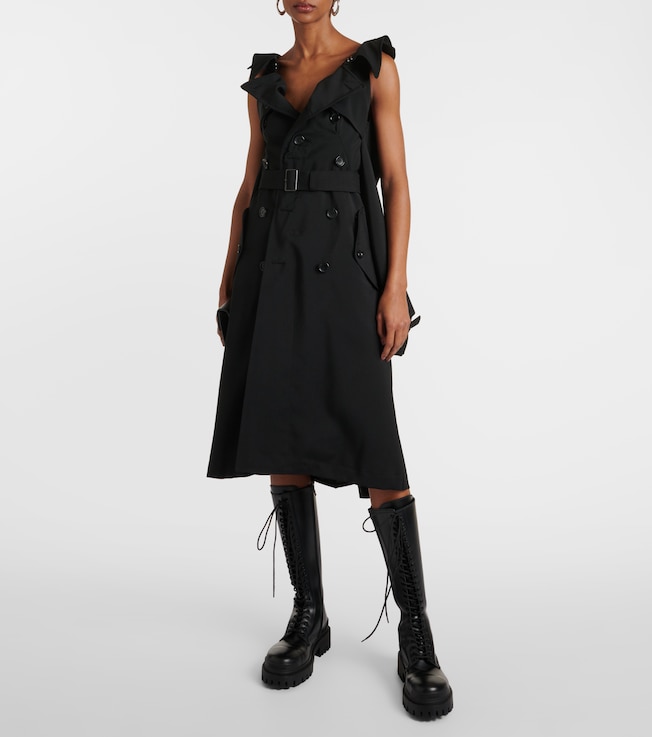
Cutout wool and mohair midi dress
$1,182
$1,689
Mytheresa
Belted wool wrap dress
$1,256
$1,795
Mytheresa
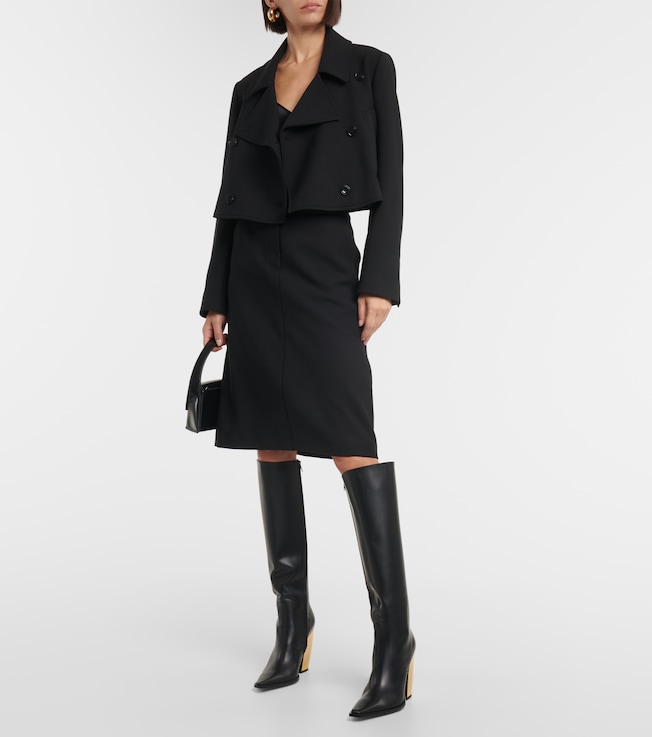
Striking Coolness cropped blazer
$553
$790
Mytheresa

Alden Short Trench Jacket - Black
$225
Meshki
Double-breasted belted crepe midi dress
$741
$2,115
Outnet
Satin maxi dress
$1,074
$1,535
Mytheresa
Theory Wool-Blend Crepe Jacket
$97
$275
Outnet
Sella virgin wool shirt dress
$1,288
$1,840
Mytheresa
Cutout wool and mohair midi dress
$1,182
$1,689
Mytheresa
Belted wool wrap dress
$1,256
$1,795
Mytheresa
Striking Coolness cropped blazer
$553
$790
Mytheresa
Alden Short Trench Jacket - Black
$225
Meshki
Double-breasted belted crepe midi dress
$741
$2,115
Outnet
Satin maxi dress
$1,074
$1,535
Mytheresa
Travel Day, Still Polished
Prompt: “Travel day. Dress layered with a blazer and a trench. Packable and wrinkle-forgiving” Refine: “Less bulky” or “more relaxed.”
Double-breasted belted crepe midi dress
$741
$2,115
Outnet
Cutout wool and mohair midi dress
$1,182
$1,689
Mytheresa
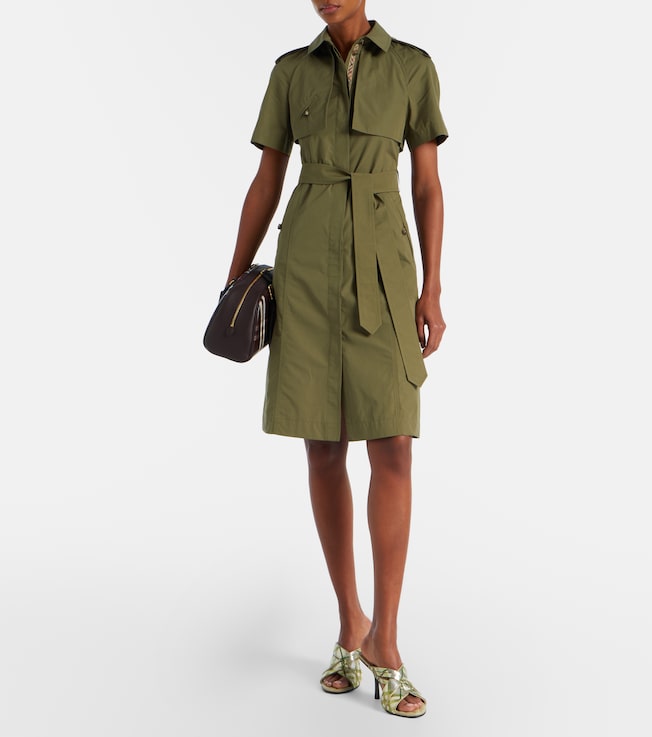
Cotton shirt dress
$1,080
$1,350
Mytheresa
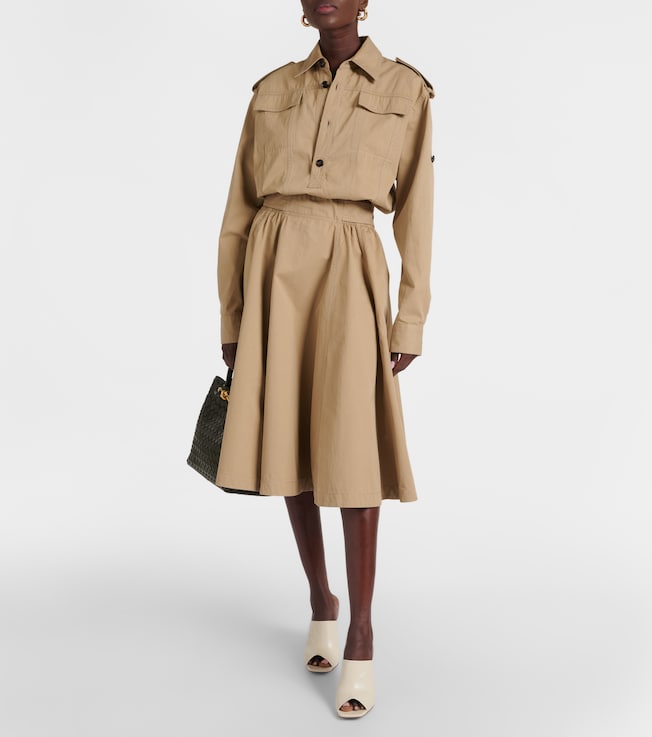
Cotton twill shirt dress
$2,900
Mytheresa
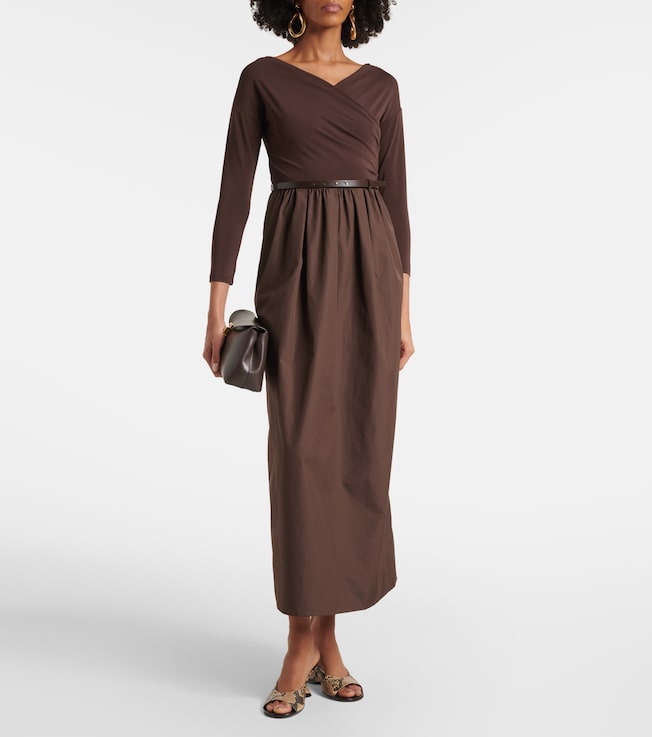
Kaiser belted maxi dress
$647
$925
Mytheresa
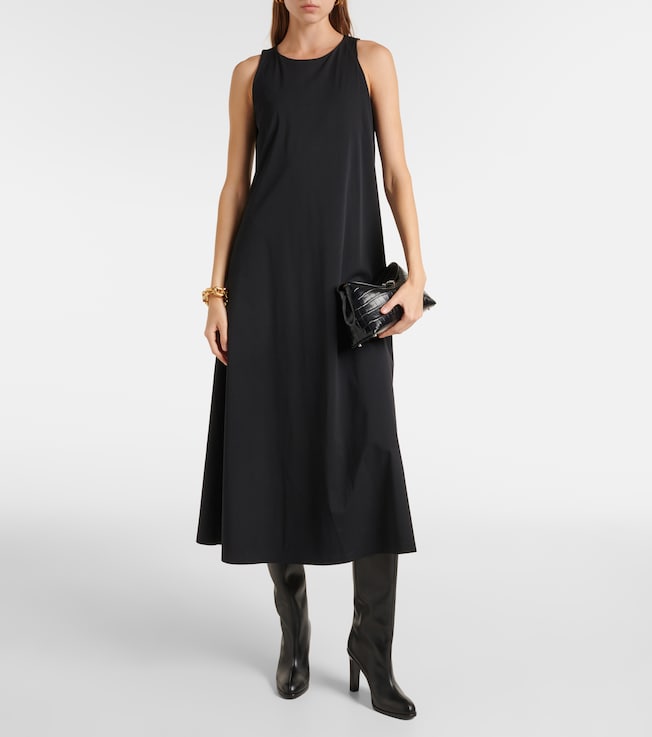
Leisure Pier midi dress
$234
$335
Mytheresa
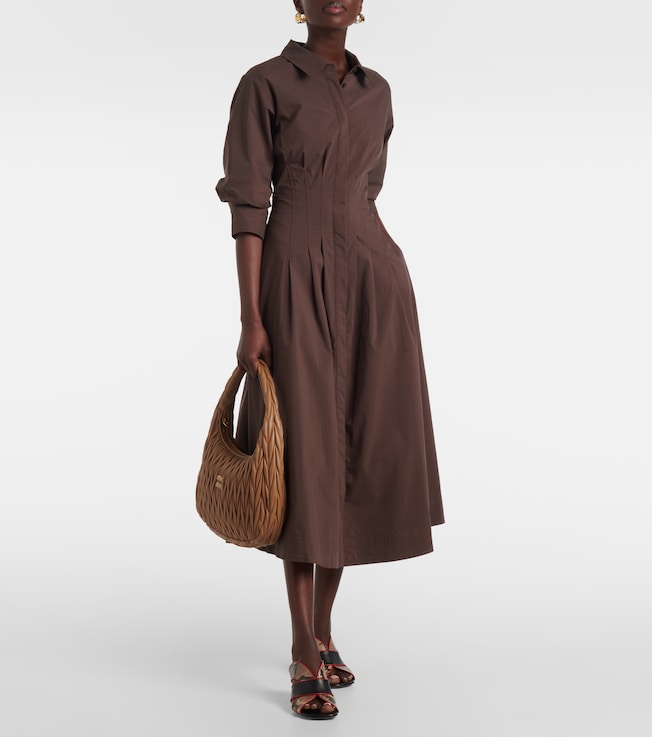
Pintuck cotton-blend midi dress
$500
$625
Mytheresa

Iwona belted midi dress
$1,813
$2,590
Mytheresa
Double-breasted belted crepe midi dress
$741
$2,115
Outnet
Cutout wool and mohair midi dress
$1,182
$1,689
Mytheresa
Cotton shirt dress
$1,080
$1,350
Mytheresa
Cotton twill shirt dress
$2,900
Mytheresa
Kaiser belted maxi dress
$647
$925
Mytheresa
Leisure Pier midi dress
$234
$335
Mytheresa
Pintuck cotton-blend midi dress
$500
$625
Mytheresa
Iwona belted midi dress
$1,813
$2,590
Mytheresa
Plush AI fashion assistant makes this process more cohesive by translating those prompts into proportion-aware edits across brands. The goal is not endless choice; it is alignment.
The Cheat Sheet Matrix
Most outfits need adjustment, not replacement. Small shifts usually solve the problem.
- If it feels too stiff, change the shoes before anything else. A softer or simpler pair can quickly reset the tone.
- If it feels bulky, remove one layer. Keep the cleaner line, either the blazer or the trench, not both.
- If it feels flat, add one clear anchor. A belt that defines the waist. A sharper bag. One consistent metal tone in your jewelry.
- If it feels too formal, lower the contrast or relax one structured piece.
Use the cheat sheet every time you feel stuck while styling this combination.
Build A Modern Blazer Dress System
When layering stops feeling random and starts following a clear structure, the outfit settles into place. A strong base, balanced proportions, and small, deliberate refinements make the difference. Once you understand the logic, you can repeat it. That is how this combination becomes reliable, wearable, and distinctly your own. Get a curated outfit in minutes with Plush!